
You can claim Rente pension benefits in Germany once you meet the age and contribution requirements.
You need to know the steps, documents, and timelines involved.
This guide provides the essential details you need to prepare correctly.
Types of Rente in Germany
You should know what each Rente type covers so you can choose the correct benefit. Each one supports a specific life situation. Here are the short descriptions.
- Altersrente (Old-Age Pension) – You receive this when you reach the legal retirement age and meet the minimum contribution years.
- Erwerbsminderungsrente (Reduced Earning Capacity Pension) – You get this if you cannot work full-time or at all due to health limitations.
- Hinterbliebenenrente (Survivor’s Pension) – This provides financial support to family members after the insured person dies.
- Witwen- und Witwerrente (Widow’s and Widower’s Pension) – A spouse receives this benefit to replace lost income after their partner’s death.
- Waisenrente (Orphans’ Pension) – Children receive this when a parent dies, helping cover basic financial needs.
Eligibility Requirements
You must meet specific rules before you can claim Rente benefits.
These requirements depend on your age, work history, and insurance status. Here are the key points you need to check.
- Minimum Age Requirement – You must reach the legal retirement age, which varies by birth year.
- Minimum Contribution Period (Wartezeit) – You need at least five years of contributions for most pension types.
- Continuous Insurance Coverage – You must have paid mandatory or voluntary contributions during your working years.
- Health Requirements for Disability Pension – You must provide medical reports to prove reduced earning capacity.
- Marriage or Dependency Requirements for Survivor Benefits – Spouses, registered partners, or children must meet relationship and age conditions.
- Residence or Payment Eligibility – Some benefits require living in Germany or an approved partner country.
Documents You Need
You need the proper documents to avoid delays in your Rente application. These papers confirm your identity, work history, and eligibility.
Here are the items you should prepare.
- Personal ID or Passport – Confirms your identity and nationality.
- Social Insurance Number (Versicherungsnummer) – Used to track your pension records.
- Employment History Records – Includes contracts, payslips, and contribution statements.
- Proof of Contribution Gaps – Documents for periods like unemployment, illness, or childcare.
- Medical Reports – Required if you apply for a reduced earning capacity pension.
- Marriage or Birth Certificates – needed for survivor pensions or child-related credits.
- Bank Account Details (IBAN/BIC) – For receiving monthly payments.
- Residence Registration (Meldebescheinigung) – Confirms your current address.

How to Apply for Rente
You can apply for Rente using the method that fits your situation. Each option requires the same documents but follows a different submission process.
Here are the main ways to file your application.
- Apply Online Through Deutsche Rentenversicherung – Upload your documents and submit your form via the official portal.
- Book an In-Person Appointment – You visit a local pension office and get help completing the application.
- Submit by Mail – You send your filled-out forms and copies of your documents to the pension office.
- Use Employer or Insurance Office Support – Some employers and insurance offices help prepare and forward your application.
- Request Help From a Pension Advisor (Rentenberater) – A certified advisor can prepare your forms and verify accuracy.
- Check Application Status Online – You can track your processing progress through the portal.
How Contributions Are Calculated
You should understand how contributions are calculated because this affects your final Rente amount.
Germany uses a point-based system to measure your earnings over your work life. Here are the main factors involved.
- Earning Points (Entgeltpunkte) – You earn points each year based on how your income compares to the national average income.
- Average Income Comparison – Earning the exact national average gives you 1 point for that year.
- High or Low Earnings – Earning above average gives you more than 1 point; earning less gives you fewer points.
- Contribution Periods – Only years with verified contributions count toward your total pension points.
- Credited Periods – Non-working periods like childcare, unemployment, or illness may also earn partial points.
- Pension Value (Rentenwert) – Your total points are multiplied by a fixed value set by the government to determine your monthly payment.
- Adjustment Factors – Early or late retirement can increase or reduce your final pension.
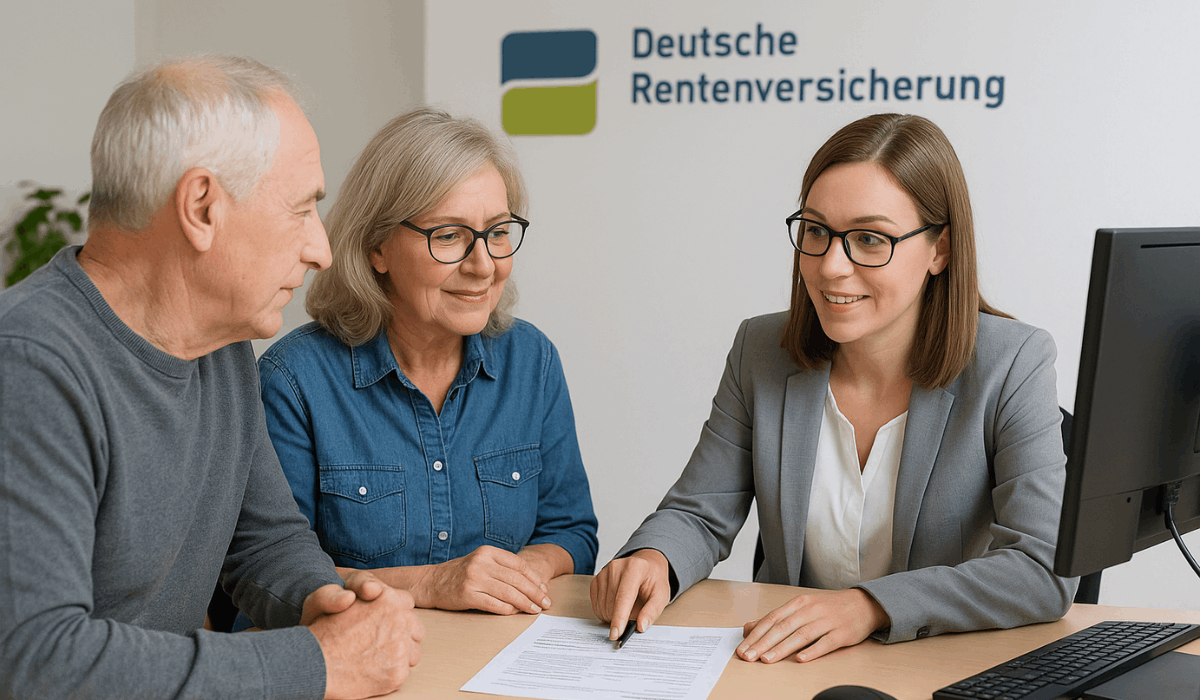
Processing Time and What to Expect
Understanding the processing timeline helps set realistic expectations during the Rente application.
The duration depends on the type of pension and the completeness of the submitted documents. Here’s what typically happens after filing.
- Standard Processing Time: 2 to 6 Months – Most applications are completed within this period when documents are correct.
- Longer Processing for Disability Pensions – Medical reviews and assessments can add several months to the process.
- Confirmation of Receipt – A letter or online update verifies that the application has been received.
- Document Verification – Employment history, contribution records, and identity details are checked.
- Requests for Missing Papers – Additional documents may be required if gaps or inconsistencies appear.
- Decision Notice (Bescheid) – A written notice is issued with the approval, denial, or changes.
- Start of Payments – Payments usually begin the month after approval.
Common Reasons for Delays or Denials
Delays and denials often occur when key requirements are missing or poorly documented.
Knowing these issues helps prevent problems during the Rente review process. Here are the most common causes.
- Incomplete Application Forms – Missing fields or unsigned documents slow down processing.
- Missing Employment Records – Gaps in contribution history require additional verification.
- Unverified Insurance Periods – Periods without confirmed contributions lead to delays.
- Incorrect Personal Information – Wrong names, dates, or insurance numbers cause file mismatches.
- Missing Medical Documentation – Disability pension claims are delayed when medical reports are incomplete.
- Unclear Family Status Documents – Missing marriage, divorce, or birth certificates affect survivor benefits.
- Incorrect Bank Details – Errors in IBAN or BIC may result in returned payments.
How to Appeal a Decision
Appealing a pension decision is possible when the result seems incorrect or incomplete.
The process follows strict deadlines and requires proper documentation. Here are the steps involved in filing an appeal.
- Submit a Written Objection (Widerspruch) – A formal objection must be sent within one month of receiving the decision.
- Include Supporting Documents – Attach medical papers, employment proofs, or corrected information.
- Request a File Review – The pension office rechecks all records and explanations.
- Provide Additional Evidence if Asked – Extra documents may be required during the review.
- Receive the Appeal Decision – A new written notice explains whether the decision was changed or upheld.
- Proceed to Social Court (Sozialgericht) – If the objection is rejected, the case can be taken to court for further review.
To Conclude
Claiming Rente benefits becomes easier when the requirements and steps are precise.
Preparing documents early and understanding each stage helps avoid delays.
Start your application now to secure the pension support you qualify for.