
If you’re exploring fast, reliable work in Germany, understanding how to apply for McDonald’s jobs in Germany can accelerate your search and boost interview odds.
This guide explains core roles, hourly pay, benefits, and protections so you arrive prepared. You’ll learn required documents, scheduling expectations, and practical online steps.
Follow these practices to demonstrate availability, customer focus, and coachability, positioning yourself for advancement into leadership.
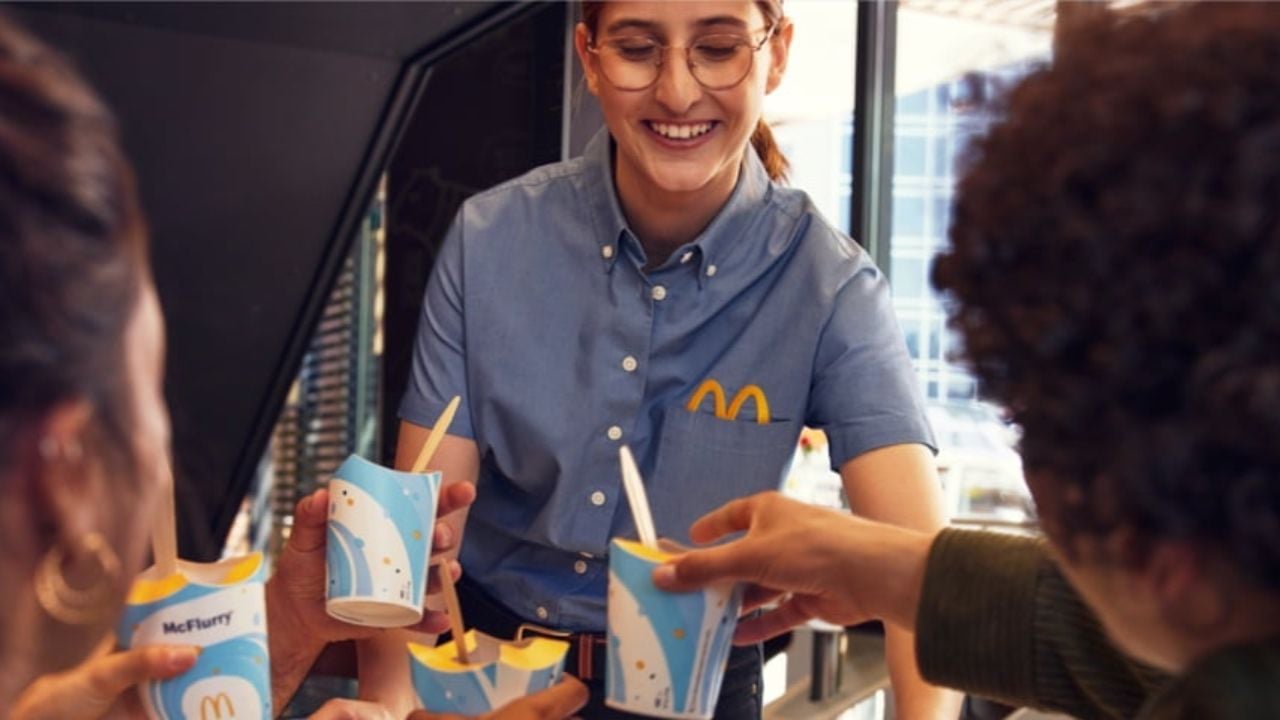
What Working at McDonald’s Germany Looks Like
New hires receive structured onboarding that covers hygiene, allergen protocols, and equipment safety on day one.
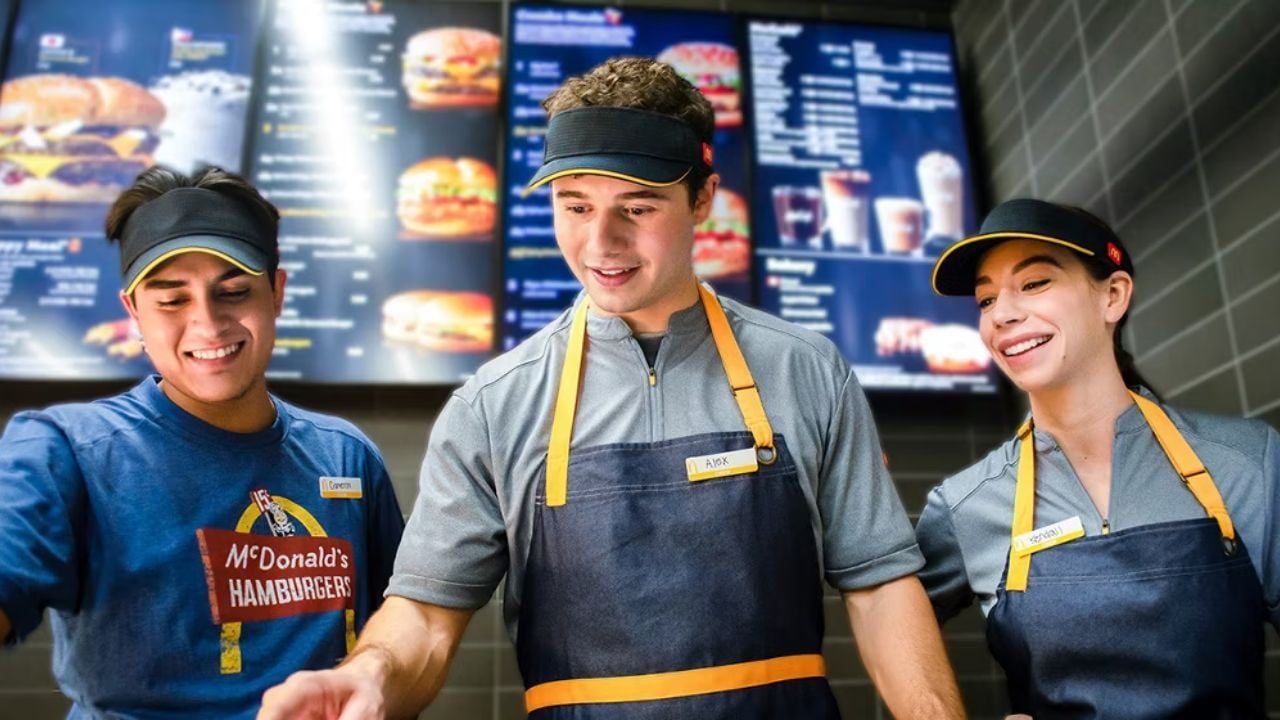
Trainers verify each station using checklists, shadowing, and short assessments before expanding responsibilities.
Digital modules reinforce procedures like grill temperatures, holding times, and cleaning schedules that protect guests and teams. Certifications stack over weeks, giving managers confidence to schedule you in higher impact roles during busy trading windows.
Safety and Food Quality Discipline
Restaurants run on strict routines that keep food safe and service consistent during rushes. You will monitor timers, label ingredients, rotate stock using first in first out, and document checks.
Team members sanitize contact points frequently, track waste accurately, and separate tasks to reduce cross contamination risk. When everyone follows the playbook, audits pass smoothly, lines move quickly, and guest satisfaction scores trend upward.
Work Environment and Communication
Daily briefings outline sales targets, station assignments, and expected peak periods for lunch and evening traffic. Managers communicate changes clearly, using deployment charts and headsets to redirect support where lines build.
Shared goals encourage collaboration between counter, kitchen, drive thru, and kiosk support teams. Consistent communication reduces stress, prevents bottlenecks, and helps new team members build confidence rapidly in demanding moments.
Roles and Responsibilities Across the Restaurant
Understanding how stations connect will help you deliver speed and accuracy under pressure.
Rotations typically include front counter, drive thru, kiosk assistance, lobby care, and kitchen lines. Each area has measurable performance indicators like order accuracy, ticket time, and guest recovery outcomes.
Mastering multiple stations increases your value, makes scheduling easier, and signals readiness for shift leadership opportunities.
Front of House Essentials
Front of house teams greet guests, guide kiosk selections, process payments, and resolve small issues quickly.
You will check orders against screens, confirm changes clearly, and ensure condiments are stocked to reduce repeat visits. Lobby care includes table wipes, waste checks, and restocking napkins to maintain cleanliness standards.
Calm, friendly communication keeps lines moving and protects order accuracy during restaurant peak windows.
Back of House Fundamentals
Kitchen crews follow precise builds, handle equipment safely, and track timers for quality consistency. You will stage ingredients efficiently, check core item availability, and escalate shortages early to avoid missed sales.
Cleaning schedules run continuously, not only after closing, to meet audit expectations and guest standards. Careful coordination with the front counter ensures complete, correct orders hit the pass when promised.
Shift Leadership in Action
Shift leaders assign stations, balance breaks, and reposition support when screens show a spike. They coach live, correct bottlenecks quickly, and document outcomes for later improvement sessions.
Leaders watch metrics like average service time and drive thru car count to guide decisions in real time. Effective shift leadership protects guest experience, maintains team morale, and builds readiness for assistant manager promotion.
Customer Experience Priorities
Accuracy, speed, and courtesy shape every interaction, especially during busy periods. You will use clear confirmations, replace incorrect items, and escalate complex issues without delay.
Managers monitor guest feedback and adjust staffing plans, training priorities, and prep levels accordingly. Consistent focus on quality and empathy earns repeat visits, positive reviews, and reliable sales performance across shifts.
Pay, Benefits, and Legal Protections
From January 2025, Germany’s statutory minimum wage is €12.82 per hour, which sets the baseline for many entry level roles.
Actual rates can exceed this figure based on region, experience, and local agreements. Night, Sunday, and public holiday allowances may apply, raising effective hourly earnings on qualifying shifts.
Uniforms, staff meal discounts, and formal training typically complement wages, with specifics varying by franchise.
Premiums, Leave, and Scheduling
German law guarantees at least 20 paid annual leave days for a five day week, with many employers offering more.
Rest breaks, working time limits, and Sunday trading rules shape rosters and protect well being.
Digital scheduling tools publish shifts in advance and support lawful tracking of hours. Transparent systems make it easier to swap shifts within policy and plan personal commitments reliably.
Health, Safety, and Compliance
Workplace safety rules govern handling hot equipment, chemical storage, and ergonomic positioning at stations.
You will learn proper lifting technique, glove use, and device lockout procedures for maintenance tasks. Restaurants document training and incident reporting to meet regulatory standards and insurance requirements.
Clear compliance processes help reduce accidents, avoid penalties, and maintain stable operations throughout the year.
Total Compensation Perspective
Evaluate offers by combining base pay, premiums, discounts, leave, and development opportunities.
Some locations offer paid training, internal promotions, and performance bonuses tied to quality scores. Predictable scheduling, lawful rest, and skill certifications add meaningful value beyond headline hourly rates.
When assessing roles, consider commute time, peak availability expectations, and the franchise’s record on staff development.
Requirements and Hiring Process
Hiring managers prioritize reliability, teamwork, and readiness to follow standardized procedures.
Basic German supports safety briefings and guest communication, though multinational teams are common in major cities.
Physical demands include standing for long periods and handling light stock safely during restocks. Demonstrating punctuality, flexibility, and calm problem solving signals you can thrive in busy service windows.
Documents and Work Eligibility
Bring valid government identification, tax identification, and social insurance details to complete onboarding.
Bank account information enables payroll setup, while contact details keep scheduling communication clear. Non EU nationals require residence permits with work authorization aligned to planned hours.
Depending on the franchise, you may be asked for a basic police clearance when assigned cash handling responsibilities.
Food Handler and Health Requirements
Some localities require a health certificate or proof of fitness for handling open food. You will receive guidance on allergen declarations and procedures for preventing cross contact.
Managers record training completion dates and keep documentation available for inspections. Maintaining up to date certifications prevents scheduling gaps and supports consistent compliance across kitchen and service areas.
Skills That Stand Out
Show evidence of teamwork, fast learning, and comfort with checklists that ensure quality.
Examples from school, sports, or volunteer work demonstrate responsibility and communication under time pressure.
Basic numeracy helps with cash accuracy and drive thru order reconciliation during peaks. Positive body language and clear confirmations reduce mistakes and increase guest confidence in your service.
Physical Readiness and Station Fit
Practice safe lifting, proper posture at screens, and careful handling of hot surfaces and sharp tools. Good shoes with slip resistant soles support long shifts and safer movement in kitchen zones.
Hydration and short, lawful breaks keep performance steady throughout demanding periods. Managers notice dependable stamina and assign you to higher impact stations when reliability is proven.
How to Apply and Advance
Start by identifying nearby restaurants, reviewing role descriptions, and submitting a concise online application.
Emphasize schedule flexibility, weekend availability, and willingness to learn multiple stations quickly. If you prefer a specific location or franchise group, check local listings and apply directly.
After screening, successful candidates join interviews that assess service mindset, hygiene knowledge, and readiness for peak hours.
Application Steps That Work
Tailor your application to highlight customer service experience and time management examples. Mention certifications, language skills, and any food safety training to strengthen credibility.
Provide accurate availability, including evenings and weekends, to make scheduling easier for managers. Close with a short statement of enthusiasm that references teamwork, reliability, and interest in long term development.
Interview and Trial Shift Tips
Arrive on time, dress neatly, and bring requested documents in an organized folder. Answer with specific examples showing how you handled pressure, solved problems, and learned quickly.
During trial shifts, ask clarifying questions early and follow checklists exactly. Afterward, thank the manager, confirm start date preferences, and reiterate willingness to cover peak windows when needed.
Conclusion
McDonald’s Germany offers steady entry level employment, lawful protections, and structured development for dependable performers. Understanding pay floors, premiums, and leave entitlements helps you evaluate total compensation confidently.
By mastering stations, communicating clearly, and honoring availability, you build trust quickly with managers. Apply thoughtfully, prepare for peak windows, and treat feedback as a ladder to lasting advancement.